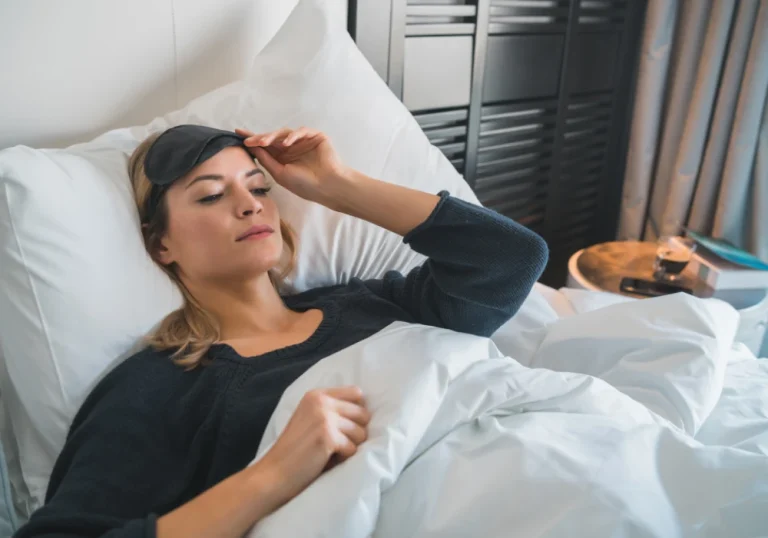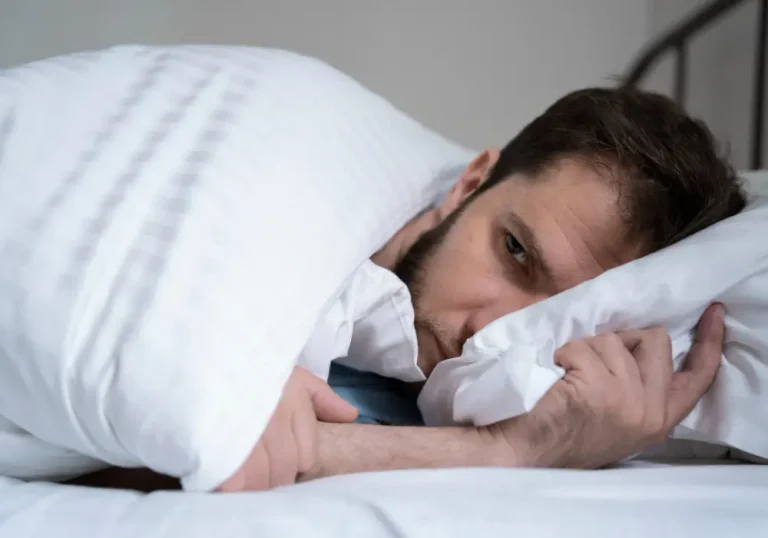

If we talk about what insomnia is, it is easy to conclude that having trouble falling asleep, or having trouble falling asleep or staying asleep throughout your sleep, can be short-term or long-term. It can damage your mood and focus. It can make your day heavy, and there are many things that cause sleep problems. Stress, pain, screen time, and changes can play a big role. Exercise is a tool that can help many people. It is worth noting that it is not only the only tool, but a reward for good exercise with good sleep habits.

How does exercise help with sleep?

Exercise burns energy and tires your body out in a good way. It reduces stress and worry. It calms your body and mind, and also reduces anxiety. It adjusts your body like a clock, and when done at the right time, it helps you sleep better. Regular exercise can give you steady gains throughout the week, and small, steady efforts make you feel at peace.

Types of exercise that help with sleep

There are many exercises that will help you sleep well. These include:


  1. Walking is simple and powerful.
  2. Brisk walking for about 20–40 minutes helps many people.
  3. Cycling, light jogging and swimming also help.
  4. Strength training such as light weights or bodyweight exercises also helps.
  5. Yoga, tai chi or meditation also helps.
  6. A balance between aerobics and Pilates also helps.


How much exercise do you need?


You don't have to train hard, you can simply aim for small, steady steps. You can set a common small goal of exercising for 150 minutes of moderate activity per week. You can easily have 5 to 6 sessions of 30 minutes followed by short strength sessions. Consistency is important, and with more than just intensity.


Best time to exercise for sleep


Morning exercise helps you set your internal clock, afternoon exercise can lift your mood and relieve stress. Avoid very intense exercise, as it can damage your body, and you should also avoid exercising before bed. Finish the hard work before the evening and do gentle work before bedtime. Try evening walks or gentle yoga if the evening is your only free time. You need to test what works for your body.


Simple morning routine


It is good to get up early on time. Following a schedule even on weekends is very good for insomnia or sleep problems. You should get up and drink a glass of water. Take a brisk walk for about 20 to 30 minutes. Eat a healthy breakfast and make sure to get some sunlight, even by the window. Light helps you feel energetic and exercise reduces stress on the body.


Simple afternoon routine


Take a short walk after work or lunch. You can do a 20 to 30 minute home workout twice a week. Add two short strength training sets like squats, pushups, and rowing. Avoid drinking caffeine before bed, and be sure to dim the lights before you go to bed. Don't bring laptops or screens to bed, especially where you sleep.


Short evening routine


Do some gentle yoga, meditation, or stretching before bed for about 10 to 20 minutes. Try a 10 to 20 minute walk after dinner. Avoid late-night cardio, and read a newspaper before bed. Reading before bed makes you feel cozy and boosts your creativity. Keep the lights dim in the evening.

Easy Bedtime Workouts to Try

These are short movements you can do in dim light before going to bed to reduce stress:


  • Hold your legs up the wall for about 5 to 8 minutes. This will move your hips close to the wall, and this pose will help your blood circulate better and faster.
  • Child's pose is also a good exercise that you can do for 2 to 4 minutes. Kneel and fold forward.
  • Supine twisting also reduces stress and solves your sleep problems. You can do this exercise for about 2 minutes.
  • Simple breathing is the best solution for almost all problems, such as anxiety , stress, etc. You can do this whenever needed, or you can do this for about 2 to 6 minutes.


Strength exercises for better sleep


There are so many options we can do:


  1. Pushups or wall pushups for about 8 to 12 repetitions.
  2. Squat with body weight for about 20 to 40 seconds.
  3. You can also hold planks for 8 to 12 repetitions.
  4. Keep the rest between sets short, and this way it helps boost your mood and your sleep.


Low-intensity options for joint pain (adults)


If your joints hurt a lot, you should choose low-intensity exercises. You can try swimming or water walking. Cycling is usually known to be good, but since a stationary bike is gentle, you can do that. Chair-based strength exercises are also good.


Motivational tips to keep moving


  • Start small and reward yourself for small victories.
  • Find a friend or partner to go for a walk with.
  • Set yourself a simple weekly goal.
  • Choose a time that suits your life.
  • Use short periods if time is limited.
  • Celebrate every step forward.

Safety and health checks

  • If you have heart disease or lung disease, you should consult a doctor first.
  • If you have pain that stops you, you should seek medical attention.
  • If you are pregnant, get tailored guidance.
  • If you feel dizzy or faint during exercise, stop.
  • Slow construction is safer than sudden leaps.

When training is not enough

Exercise helps many people, but some sleep problems need more help . If you snore loudly or gasp in your sleep, you should see a doctor. If your sleep remains poor for several weeks, you should seek help. Therapies such as CBT-I have been shown to help with chronic insomnia.


Important points


  1. Sleep is an important part of life, and if not taken properly, it can harm daily activities.
  2. There are so many things that cause insomnia.
  3. Exercise can help you a lot, especially in everyday life.
  4. Sleep problems require special attention.


Worried about insomnia?


If you are concerned about insomnia, exercise for insomnia is good for you. If things get out of hand, you can also contact us or book an appointment at psykiater.no for more information.